

Greasy hair after washing is one of the most frustrating hair problems many people face.
You wash your hair in the morning, but just a few hours later, it already feels oily, flat, and uncomfortable.
If your hair feels oily the same day after washing, you’re not alone—this is one of the clearest signs that your scalp is out of balance.
So you may start asking:
Why is my hair still oily?
Many people try washing more often, switching shampoos, or using multiple products.
But the results rarely last.
The truth is, this is not just about cleanliness.
It is about how well your scalp regulates oil.
When the scalp loses its natural balance, oil production becomes harder to controlThat’s why more people are now exploring deeper solutions such as Head Spa, which focuses on restoring Scalp oil control at the root.
Why is my hair still oily? Understanding the Real Causes.
Oily hair after washing happens because your scalp produces more oil than needed—not because your hair isn’t clean.
Hormonal Influence
Hormones directly affect oil production on the scalp.
During periods of stress, lack of sleep, or hormonal fluctuations, your scalp may produce excess oil even if your routine hasn’t changed.
Androgens such as testosterone and DHT stimulate sebaceous glands.
When your body becomes more sensitive to these hormones, oil production increases.
This mechanism is widely documented in dermatological research as a key factor behind oily scalp conditions.
Chronic Stress
Stress affects both your mental state and your body’s internal balance.
It can trigger hormonal responses that increase oil production.
That’s why your hair may feel oilier during stressful periods, sometimes becoming greasy just hours after washing.
Lack of Sleep
Sleep is essential for regulating your body.
When you don’t get enough rest, your body becomes imbalanced, and oil production increasesThis makes Scalp oil control more difficult, even if your routine stays consistent.
Over-washing
Washing your hair too frequently strips natural oils from the scalp.
Your body responds by producing even more oil to compensate.
This creates a cycle: Wash → Dry → Oil → Wash → More oil
Over time, this leads to faster oil buildup and more frequent Greasy hair after washing.
Harsh Shampoo Ingredients
Some shampoos contain strong cleansing agents such as:
- Sodium Lauryl Sulfate (SLS)
- Sodium Laureth Sulfate (SLES)
- Alcohol Denat.
- Synthetic fragrance
These ingredients can disrupt the scalp’s balance by over-drying it.
As a result, the scalp produces more oil.
However, sensitivity varies from person to person.
Scalp Build-up
Oil, product residue, and environmental pollutants can accumulate on the scalp over time.
This buildup clogs follicles and prevents the scalp from functioning properly.
As a result, your hair may feel greasy again shortly after washing.
In many cases, regular washing alone is not enough to remove this buildup.
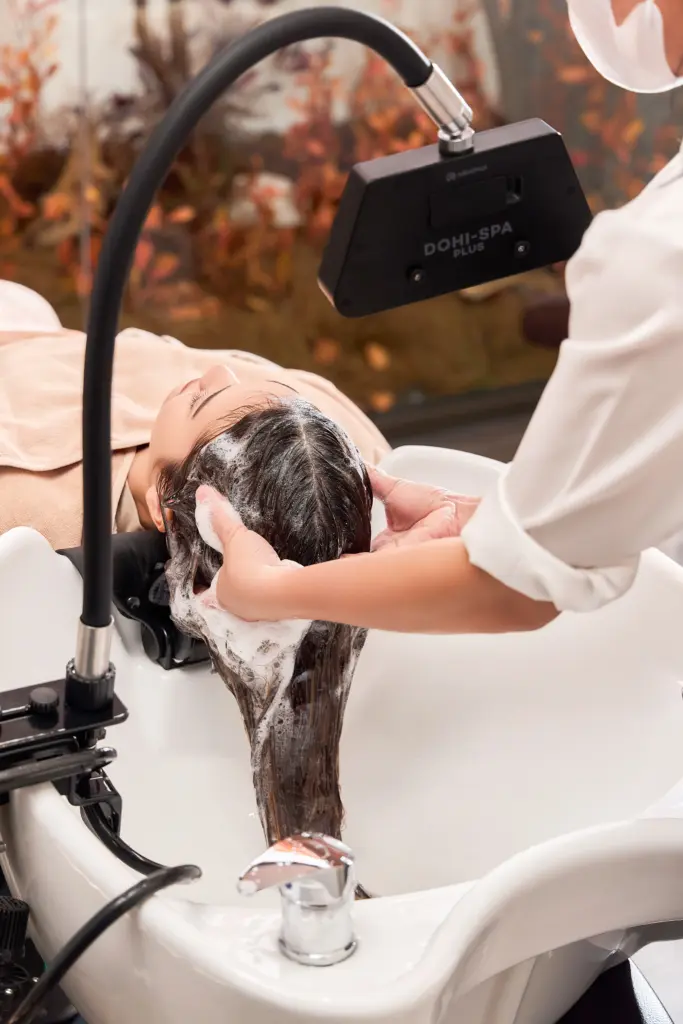
👉 This is why deeper cleansing methods such as scalp detox and Head Spa play an important role in effective Scalp oil control.
Scalp oil control That Works Long-Term
Scalp oil control is not about removing oil completely—it is about helping your scalp regulate oil naturally.
Adjust Your Washing Frequency
Reducing how often you wash your hair allows your scalp to gradually rebalance its natural oil production.
At first, your hair may feel slightly oilier, but over time, the scalp stabilizes and produces less excess oil.
Choose the Right Products
Choosing the right products is essential for maintaining long-term scalp balance.
Products that focus on gentle cleansing and oil regulation help prevent the cycle of over-drying and overproduction.
This allows your scalp to function more naturally over time.
Deep Cleansing (Scalp Detox)
Daily washing is often not enough to remove deep buildup.
Scalp detox helps reset the scalp by removing excess oil, residue, and dead skin cells that cannot be fully removed through regular washing.
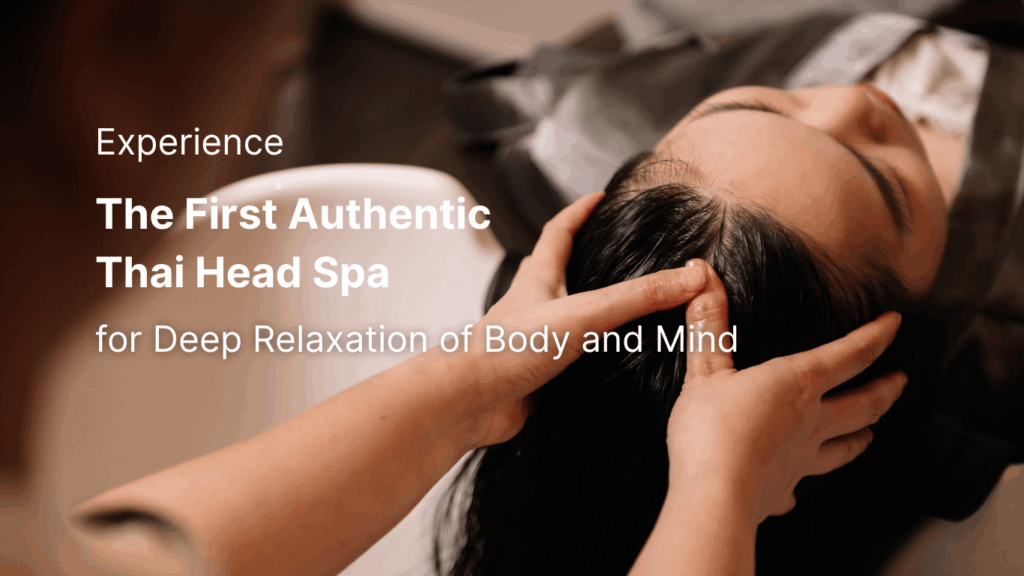
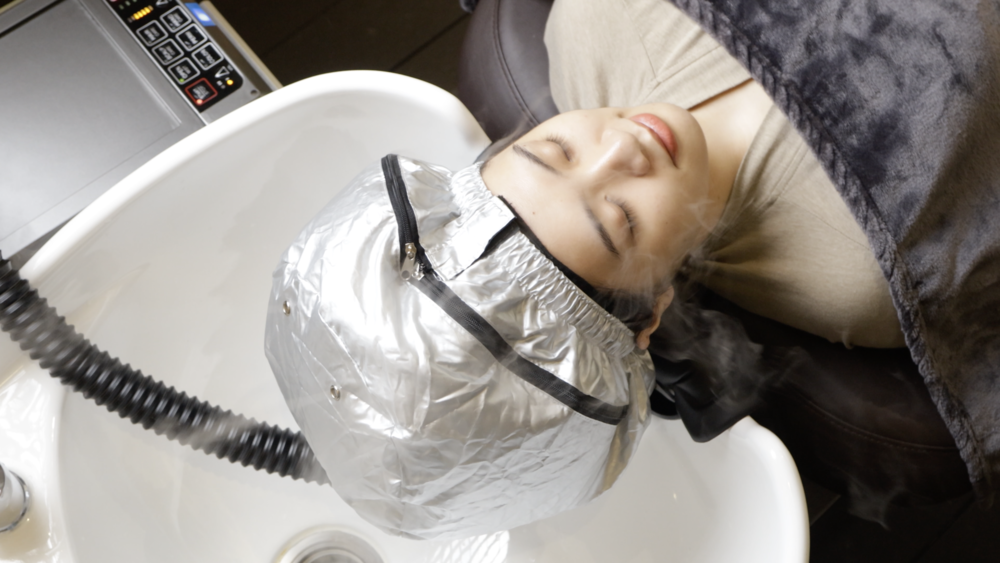
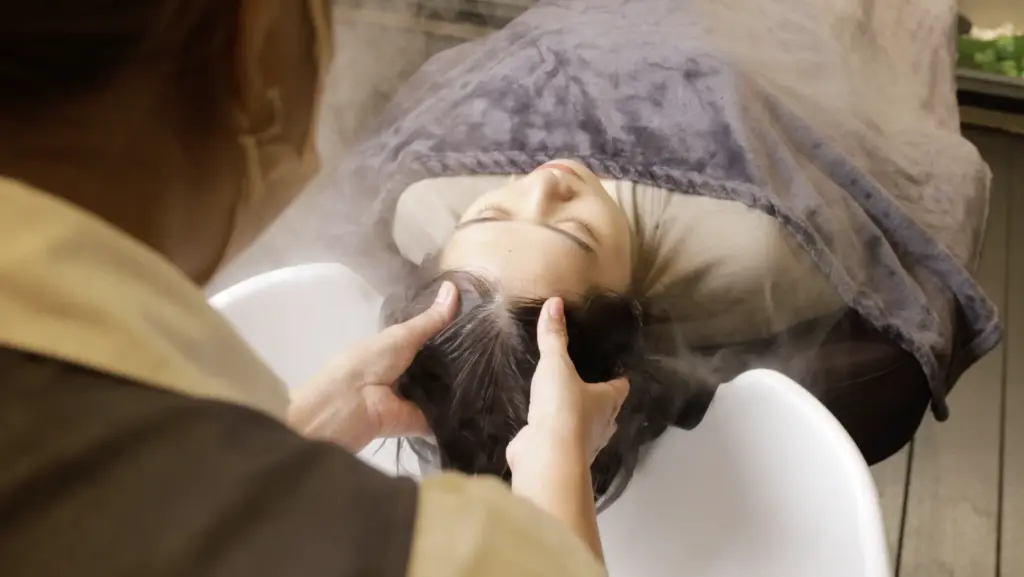
At Siesta Head Spa, this process begins with a Deep Scalp Detox Treatment that combines natural exfoliation with nano mist technology.
This allows the scalp to be deeply cleansed while improving the effectiveness of the following treatment steps.
As a result, the scalp becomes cleaner, lighter, and better balancedLearn more here: Scalp and Hair Essential Aspects
Advanced Scalp Balance Restoration
Once the scalp is clean, restoring balance becomes the most important step.
Because Scalp oil control is not only about removing oil, but regulating how oil is produced over time.
If your hair still feels greasy shortly after washing, even after trying different methods
It may be a sign that your scalp needs deeper, structured care.
You can start with: Professional scalp treatment bangkok
This program is designed to treat the scalp step by step—from deep detox to nourishment using essential oil blends and nano mist therapy.
It also includes signature Thai massage techniques that improve circulation and provide a sense of relaxation from the first session.
Or for a more advanced level of care: Premium scalp treatment bangkok
This treatment includes AI scalp analysis and biodynamic products from Italy, allowing for a more personalized and long-term approach to scalp balance.
When your scalp returns to balance, oil production becomes more controlled naturally.
Why Washing Every Day Doesn’t Solve the Problem
Washing your hair every day does not fix oily hair because it removes oil but does not regulate oil production.
In fact, frequent washing can stimulate the scalp to produce even more oil.
This is why many people start exploring deeper solutions such as professional scalp treatments, which focus on restoring balance instead of just removing oil.
Why is my hair still oily? Daily Habits That Make It Worse
Touching Your Hair Frequently
Your hands carry oil and dirt throughout the day.
Touching your hair frequently transfers these oils back to your scalp, making it greasy faster.
Excessive Heat Styling
Frequent use of heat tools can dry out the scalp.
When the scalp becomes dry, it produces more oil to compensate, leading to imbalance.
Improper Brushing
Brushing too aggressively or too often from the roots can stimulate oil glands.
This can increase oil production without you realizing it.
Dirty Pillowcases
Pillowcases can collect oil, sweat, and bacteria.
When your scalp comes into contact with them every night, it can contribute to recurring oil buildup.
Inconsistent Routine
Constantly changing products or routines prevents your scalp from stabilizing.
Consistency is essential for long-term Scalp oil control.
FAQ
Q: Why is my hair still oily?
A: Because the root cause is scalp imbalance, not cleanliness
Q: Greasy hair after washing
A: It is often caused by overwashing, hormones, or scalp buildup
Q: Can oily scalp cause hair loss?
A: In some cases, yes—especially when buildup blocks hair follicles
Summary
Scalp oil control is not about removing oil.
It is about restoring balance.
Once your scalp becomes balanced, Greasy hair after washing will gradually improve in a natural and sustainable way.
References
- PubMed – Regulation of human sebaceous glands (androgen effects on oil production)
https://pubmed.ncbi.nlm.nih.gov/12542572/ - DermNet NZ – Seborrhoeic dermatitis (oily scalp conditions and imbalance)
https://dermnetnz.org/topics/seborrhoeic-dermatitis
Siesta Head Spa and Salon
The First Authentic Thai Head Spa
Branches and Opening Hours
Open daily: 10:00 AM–8:00 PM
📍 Siesta Head Spa – Emsphere Branch
📞 Call / WhatsApp: +66-88-681-0791
📍 Siesta Head Spa – Gaysorn Amarin Branch
📞 Call / WhatsApp: +66-88-992-2977
📱 LINE: @Siesta
📸 Instagram: @Siesta.Headspa
🌐 Website: siestaheadspa.com