
Does scalp massage help hair growth?
This is a question more people are asking, especially those who feel stressed, sleep less than they should, notice scalp tension, or begin to see more hair fall than usual.
In the age of longevity, people are no longer looking at self-care as something purely cosmetic. Longevity is about caring for your health, energy, and quality of life over time. That includes how well you rest, how your body recovers, and how balanced you feel in daily life.
This is one reason Head Spa is often valued as a relaxation and self-care experience. Its benefits for relaxation should be understood separately from any possible effects on hair growth, which should be interpreted with caution.
But what does science actually say? Can scalp massage support hair growth? Can it help with hair loss? Or is the relaxing feeling many people experience after Head Spa more connected to stress relief, nervous system rest, and the simple power of being cared for?
In this article, Siesta Head Spa and Salon will guide you through the relationship between scalp massage, scalp health, stress, and the Head Spa experience in a balanced and realistic way. We will also explain why people experiencing hair loss, bald clients, and those with little or no hair can still enjoy a Head Spa. At Siesta, the experience is centered on relaxation, comfort, and the feeling of being cared for. Hair-related outcomes are not the main promise of the service.
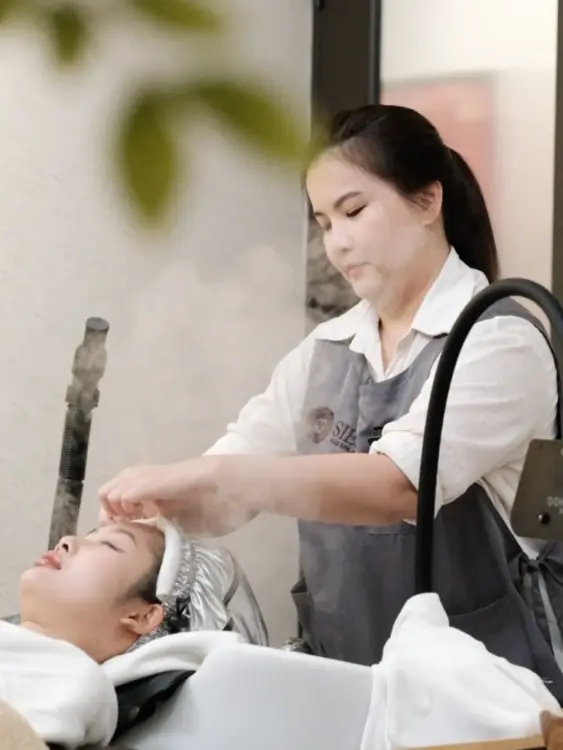
How Are Stress, Scalp Health, and Hair Connected?
When people talk about hair loss, they often think first about genetics, hormones, or age. Those are important factors, but scalp and hair health can also be influenced by daily lifestyle and the way the body responds to stress.
Some common factors include:
- Chronic stress: Stress can affect rest, body balance, and the feeling of fatigue. Many people notice this clearly in daily life, especially when they work long hours, think too much, or do not have enough time to recover.
- Lack of sleep: Sleep is one of the body’s most important recovery processes. When sleep is poor, the body may not restore itself fully, and this can affect how fresh the skin, scalp, and hair feel over time.
- Muscle tension around the head, neck, and shoulders: Long screen time, stress, and sitting in the same posture for hours can create tightness around these areas. Many people feel heaviness around the head without realizing it comes from accumulated tension.
- Scalp circulation and scalp tension: Scalp tension may be associated with overall muscle tightness in nearby areas. When the body begins to relax, many people simply feel lighter and more comfortable in the head and scalp area.
- Lifestyle, nutrition, and overall self-care: Hair and scalp health do not depend on one single factor. Diet, hydration, rest, stress management, and daily scalp care all play a role in the bigger picture.
People who experience long-term stress often notice symptoms such as scalp tightness, headaches, neck stiffness, office syndrome, poor sleep, or a general feeling that their scalp and hair are not as healthy as before.
That is why more people are becoming interested in Head Spa, scalp massage for hair loss, and simple ways to relax the scalp. Beyond comfort, Head Spa offers a moment to step away from daily pressure and allow the body and mind to rest.
Does Scalp Massage Help Hair Growth?
The most balanced answer is:
“There is no strong evidence showing that scalp massage can directly treat genetic baldness. However, some research suggests a relationship between standardized scalp massage, scalp stimulation, and increased hair thickness in certain cases.”
One study often cited when discussing scalp massage and hair thickness is the 2016 Eplasty study titled “Standardized Scalp Massage Results in Increased Hair Thickness by Inducing Stretching Forces to Dermal Papilla Cells in the Subcutaneous Tissue.” This finding is interesting, but it comes from a very small study and should not be overgeneralized.
In this study, nine healthy Japanese men performed standardized scalp massage for 4 minutes a day over 24 weeks. The researchers reported an increase in hair thickness after the massage period and suggested a possible mechanism involving stretching forces on dermal papilla cells.
This is interesting, but it is important to interpret the study carefully. The sample size was small, and the study does not mean that scalp massage can solve every type of hair loss or reverse baldness.
Hair health depends on many factors, including genetics, age, hormones, nutrition, stress, sleep, medical conditions, and overall lifestyle. This is why scalp massage may be considered part of a broader self-care routine, but not a guaranteed treatment for hair growth or hair loss.
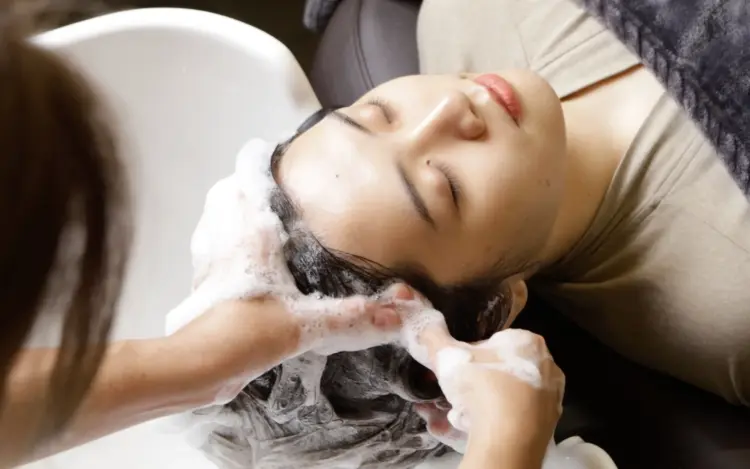
How Can Scalp Massage Be Related to Relaxation?
Another useful study, published in the Journal of Physical Therapy Science in 2016, explored the effect of scalp massage on stress hormone, blood pressure, and heart rate in healthy women.
The study found that scalp massage twice a week for 10 weeks was associated with changes in several stress-related indicators, including norepinephrine, cortisol, blood pressure, and heart rate.
Here is what those indicators mean in simple language:
- Cortisol: Cortisol is often called a stress hormone. It is involved in the body’s response to stress, fatigue, and lack of rest. A healthier pattern of cortisol may reflect that the body is moving toward a more relaxed state.
- Norepinephrine: Norepinephrine is connected to the nervous system and the body’s stress response. When the body feels alert, pressured, or overstimulated, this system can become more active. A more balanced response may be connected to a calmer feeling.
- Blood pressure: Blood pressure reflects part of how the body is functioning. When the body relaxes, blood pressure may become more balanced in some people, which may partly explain the lighter feeling after massage.
- Heart rate: When the body releases tension, the heart rate may become calmer. This is one reason many people feel that their breathing becomes deeper and their body slows down after a good scalp massage.
This study did not directly discuss hair loss. Still, it helps explain why many people feel that after a Head Spa session, their body feels rested and their mind becomes quieter.
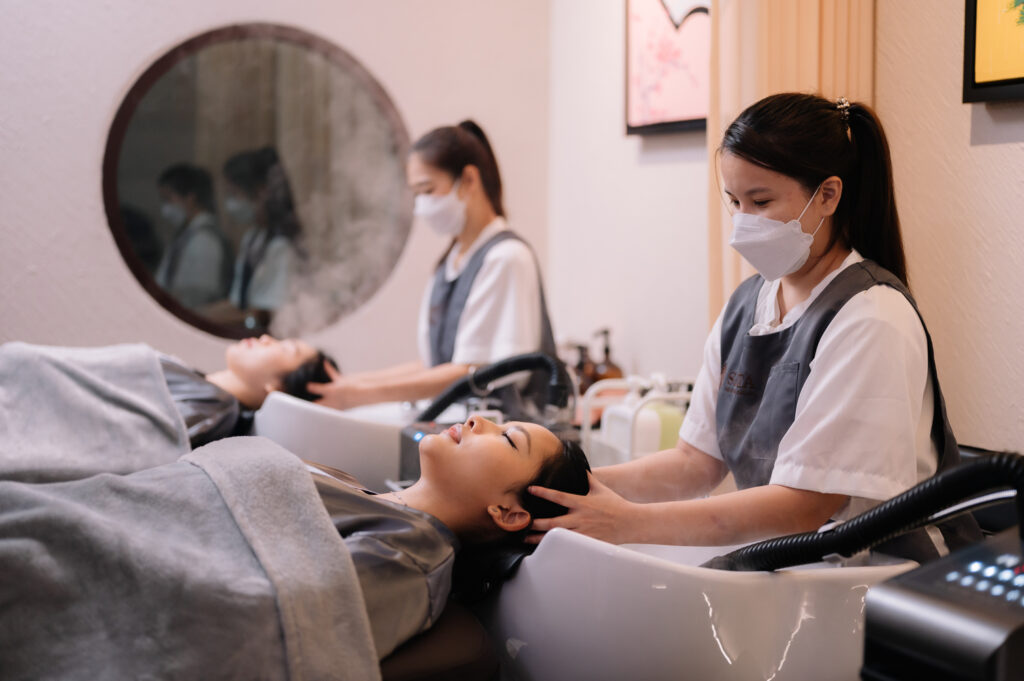
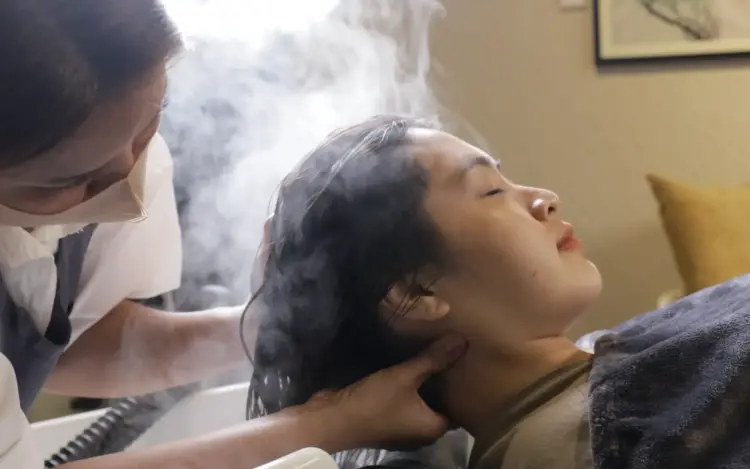
From a real experience perspective, relaxation from Head Spa may come from several elements working together:
- Massage around the head, neck, and shoulders: These areas often store tension from screen time, stress, or long hours of sitting. Proper massage can help many people feel lighter, both physically and emotionally.
- A comfortable lying position: A shampoo bed that supports the body well can reduce neck and shoulder strain, allowing you to rest longer without feeling stiff or uncomfortable.
- Reduced noise: When surrounding noise becomes softer, the nervous system may begin to settle. Many people feel that Head Spa gives them a temporary pause from the outside world.
- A calm and relaxing atmosphere: Light, sound, scent, and room temperature all affect the overall feeling. A carefully designed atmosphere can make it easier for the body to relax.
- Human touch from a trained therapist: A steady rhythm and appropriate pressure do not only create physical comfort. They can also create the feeling of being cared for, which is an important part of rest.
- A temporary break from screens and daily noise: For many people, Head Spa is one of the few times they truly put down the phone, stop replying to messages, and allow themselves to be still.
All of these may explain why Head Spa often feels like more than a hair wash.
Why Does Head Spa Feel More Relaxing Than a Regular Hair Wash?
A well-designed Head Spa is not built around shampooing alone. It is created through several elements that work together to support comfort, relaxation, and scalp care.
For example:
- Premium Head Spa Salon: A thoughtful Head Spa space focuses on calm, privacy, and an unrushed service flow. These details help clients feel more relaxed from the moment they arrive.
- Ergonomic Shampoo Bed: A Head Spa session can last around 70–90 minutes, so the bed must support the body well. Proper neck support can reduce stiffness and help comfort continue throughout the session.
- Acupressure Massage: Massage is at the heart of many Head Spa experiences. At Siesta, we integrate Thai massage wisdom into our Head Spa approach, using skilled hands to create a relaxing service experience.
- Professional Therapists: Head Spa is not only about washing hair. It requires understanding the scalp, maintaining comfort, and delivering a consistent, careful rhythm throughout the session.
- Perfect Ambiance: A private room, soft lighting, calm sound, and gentle scent can help the body and mind gradually slow down.
At Siesta Head Spa and Salon, we believe relaxation does not come from one single step. It comes from the way every element works together in balance.
If you would like to understand these elements more deeply, you can read our article 5 Essentials of a True Head Spa here
This is why many people feel that Head Spa is not just a regular hair wash. It feels like a small reset before returning to daily life.
Simple Scalp Massage Tips You Can Try at Home
If you want to begin with simple self-care at home, you can try basic scalp massage without using complicated tools.
Many people try scalp massage for hair growth as part of their weekly self-care routine, not only for hair-related concerns, but also for relaxation and stress relief.
Simple Scalp Massage Tips for Hair Growth
| Simple step | Quick tip |
| Use fingertips | Press gently with your fingertips, not your nails, to avoid irritating the scalp. |
| Move slowly | Massage in slow circular motions around the temples, crown, and back of the head. |
| Keep pressure light | Use comfortable pressure. Stop or reduce pressure if it feels painful. |
| Take your time | Spend 5–10 quiet minutes and let your body and mind gradually relax. |
Use your fingertips, not your nails
Use the soft pads of your fingertips to gently press and move the scalp. Avoid scratching with your nails, as this may irritate the scalp, create redness, or weaken the skin barrier.
Fingertips give a softer and more controlled pressure, which makes the massage feel more relaxing.
Move in slow circular motions
Start around the temples, the top of the head, and the back of the head. Use slow circular movements instead of fast rubbing.
These areas often collect tension from working, screen time, eye strain, or daily stress. The goal is not to rush. The rhythm matters more than force.
Avoid pressing too hard
Many people think stronger pressure means better results. In reality, too much pressure can irritate the scalp or make the muscles feel even more tense.
The right pressure should feel comfortable, relaxing, and never painful. If it starts to hurt, reduce the pressure immediately.
Give yourself time
Sometimes the most important part of scalp massage is not the technique. It is the moment you allow yourself to pause.
Try turning off notifications, putting your phone away, and giving yourself 5–10 quiet minutes. For many people, this short moment can help the body and mind soften more than expected.
Can You Enjoy a Head Spa with Hair Loss, a Bald Head, or No Hair?
Yes, absolutely.
Many people assume that Head Spa is only for those with thick hair, oily scalp, thinning hair, or visible hair concerns. But in reality, relaxation and self-care are not limited by whether you have a full head of hair, hair loss, or no hair at all.
Even bald clients, clients experiencing hair loss, or clients with little to no hair can enjoy Head Spa because the experience is not only about hair. It can also be about:
- Releasing muscle tension: Even with very little or no hair, the scalp, head, neck, and shoulders can still hold tension. Massage can help many people feel lighter and more comfortable.
- Comfort around the scalp and neck: Whether someone is bald, experiencing hair loss, or has little to no hair, the scalp and muscles around the head can still feel tight or tired, especially from stress or long hours of work.
- A break from stress: For some people, the most valuable part of Head Spa is not the hair result, but the chance to step away from a fast-paced day.
- Calm from atmosphere and touch: A quiet room, soft lighting, and gentle hands can create a deep sense of being cared for.
- Self-care without rushing: Head Spa can be a moment to return to yourself, without needing to focus only on hair-related outcomes.
In today’s wellness and self-care culture, many people are beginning to see Head Spa as a space for rest, not just as hair care.
For some clients, feeling lighter, sleeping more comfortably, or having quiet time with themselves can be just as meaningful as having thicker hair.
Head Spa Is for Bald Clients, Hair Loss Concerns, and Even No Hair
This video shows that Head Spa is not only for people with thick hair. Even people who are bald or have very little hair can still enjoy the relaxing experience of scalp massage, scalp treatment, relaxation, and self-care.
Looking for a Hair Spa in Bangkok Focused on Scalp Care, Relaxation, and Hair Loss Concerns?
Proper scalp care, tension release, and consistent self-care may help many people feel more relaxed and more comfortable, while hair-related outcomes still depend on multiple factors such as genetics, hormones, sleep, and overall health.
Some people explore scalp massage for hair loss as part of a broader wellness and scalp care routine, especially when they want to combine relaxation with long-term self-care habits.
However, hair-related results depend on many factors, such as:
- Genetics: Genetic factors play an important role in many types of hair thinning and hair loss. Massage or Head Spa cannot directly change genetic patterns.
- Age: As we age, the hair cycle and scalp condition may naturally change. Self-care should be paired with an understanding of how the body changes over time.
- Hormones: Hormonal changes may be related to scalp and hair concerns in some cases, especially when combined with stress or poor sleep.
- Overall health: Rest, stress levels, and general health can affect the body’s balance, which may also show through the skin, scalp, and hair.
- Sleep and stress: These are often overlooked, but they can strongly affect quality of life and the way the body feels day to day.
- Nutrition and daily care: Food, hydration, and daily health habits all play a role in long-term hair wellness.
So, can a Hair Spa in Bangkok help with hair loss? There is no one-size-fits-all answer, especially for people experiencing genetic hair loss or other scalp and hair concerns.
From a self-care perspective, Head Spa can be a meaningful part of scalp wellness, relaxation, and stress recovery, especially for those who want time to care for the scalp, body, and mind together.
When Should You Consult a Doctor?
If you notice any of the following symptoms, it may be better to consult a doctor or scalp specialist directly:
- Patchy hair loss: If hair falls out in circles or specific patches, it may be related to a condition that needs professional evaluation.
- Redness, inflammation, or pain on the scalp: These symptoms may point to irritation, inflammation, or certain skin conditions.
- Scabs, wounds, or possible infection: If the scalp has wounds or unusual scabbing, avoid strong massage and seek proper advice.
- Sudden excessive hair shedding: If hair loss becomes unusually heavy in a short period, it is important to understand the cause before choosing a treatment approach.
- Persistent itching: Ongoing itchiness may be related to dandruff, fungus, dermatitis, or another scalp condition.
- Burning, irritation, or pain: When multiple symptoms appear together, professional evaluation can prevent incorrect care.
Sometimes scalp concerns are connected to medical conditions that require specific treatment. A Head Spa may support comfort and scalp care, but it should not replace medical advice when symptoms are unusual or severe.
A Head Spa May Not Be the Answer to Everything, But It Can Be a Real Moment of Rest
In a world that moves quickly, many people are looking for self-care that goes beyond beauty. They want to feel better, rest more deeply, and reconnect with themselves.
A Head Spa may not change genetics or solve every hair concern immediately.
Many people still ask, “Does scalp massage help hair growth?” The answer may depend on many factors, but Head Spa can still be a meaningful part of long-term self-care.
For many people, it becomes a balanced way to support relaxation, scalp comfort, and a pause from daily stress.
If you are looking for a calm and professional Hair Spa in Bangkok, Siesta Head Spa and Salon offers a relaxing experience focused on scalp care, comfort, and self-care.
Sometimes, a real pause can be the beginning of better care for both the mind and the body.
References
- Standardized Scalp Massage Results in Increased Hair Thickness by Inducing Stretching Forces to Dermal Papilla Cells in the Subcutaneous Tissue
https://pubmed.ncbi.nlm.nih.gov/26904154/ - The effect of a scalp massage on stress hormone, blood pressure, and heart rate of healthy female
https://pubmed.ncbi.nlm.nih.gov/27821918/ - Healthline: Scalp Massage for Hair Growth
https://www.healthline.com/health/scalp-massage-for-hair-growth
Siesta Head Spa and Salon
The First Authentic Thai Head Spa
Branches and Opening Hours
Open daily: 10:00 AM–8:00 PM
📍 Siesta Head Spa – Emsphere Branch
📞 Call / WhatsApp: +66-88-681-0791
📍 Siesta Head Spa – Gaysorn Amarin Branch
📞 Call / WhatsApp: +66-88-992-2977
📱 LINE: @Siesta
📸 Instagram: @Siesta.Headspa
🌐 Website: siestaheadspa.com