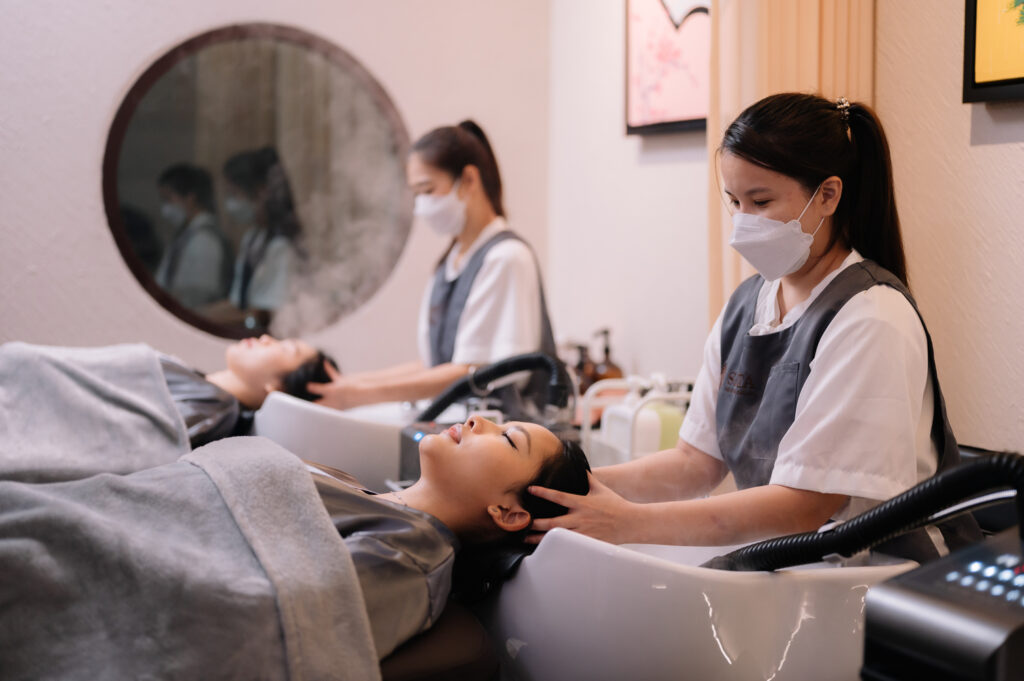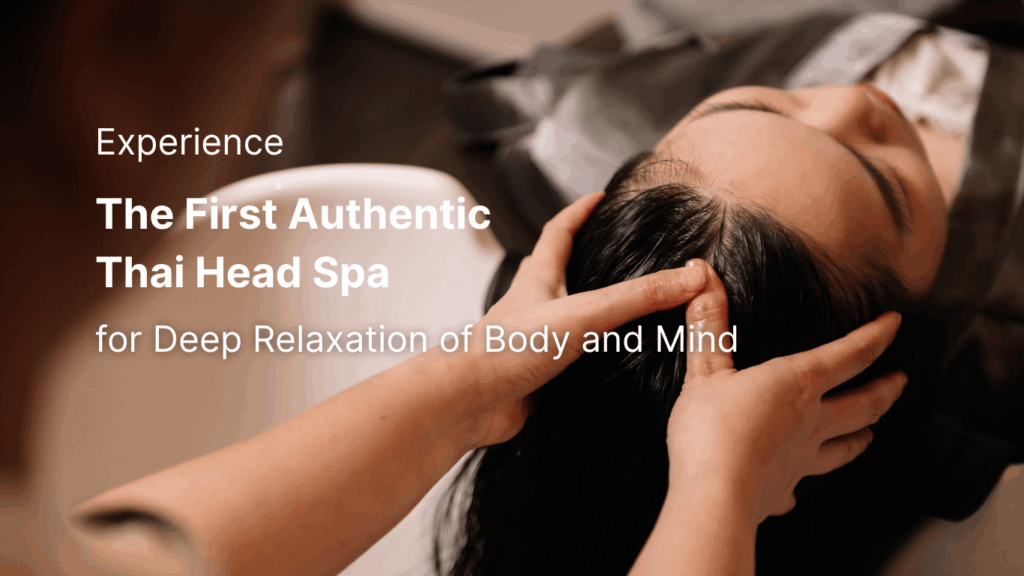

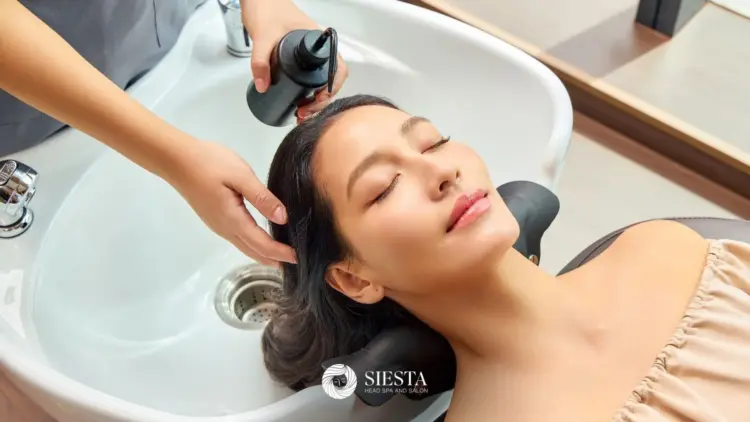
Can a scalp massage calm your mind? For some people, it may offer a welcome pause when everyday life feels busy or overstimulating. Emails, traffic, screen time, and constant decision-making can leave you feeling mentally tired and physically tense long after the working day ends. Through slow, rhythmic touch around the scalp, temples, neck, and shoulders, a head spa experience creates time for the body and mind to settle.
The experience is not only about hair and scalp care. It can also provide a calm, private environment where guests can pause, release some of the physical tension accumulated during the day, and reconnect with the present moment. Individual responses vary, and any sense of calm should be understood as supportive everyday relaxation rather than treatment for anxiety, insomnia, or another mental health condition.
How Can a Scalp Massage Calm the Mind?
A scalp massage may help some people feel calmer through soothing touch, comfortable breathing, and a break from daily stimulation. The scalp, forehead, temples, neck, and shoulders can feel tense without us noticing. Gentle massage may help these areas feel less tight, making physical relaxation more accessible.
The setting also matters. A quiet treatment room, softened lighting, calming sounds, and an unhurried pace encourage you to pause. Instead of moving between tasks, you have time to remain still and notice the sensations around you. This shift in attention may offer a temporary break from busy thoughts.
Some people notice a calm feeling during the session, while others feel more relaxed afterward. Responses vary, and no particular emotional response should be expected or guaranteed.
A small study involving 34 healthy female office workers examined repeated scalp massage sessions over 10 weeks and reported changes in physiological measures related to stress. However, the sample was limited. These findings provide preliminary support for further research into relaxation; they do not establish that scalp massage treats anxiety or another mental health condition, or that a single head spa session produces the same results. Read the study on scalp massage and physiological stress measures.
The Connection Between Scalp Tension and Mental Stress
Stress does not exist only in the mind. It can also appear physically through clenched jaws, raised shoulders, a tight forehead, or a stiff neck. Physical tension around the scalp and upper body may contribute to a feeling of tightness or discomfort, making it harder to settle into rest.
A professional scalp massage uses controlled movements and pressure adapted to your comfort. The intention is to encourage relaxation while helping you notice areas that feel tense. As those areas begin to feel more comfortable, some people may find it easier to slow down mentally as well.
This is one reason a head spa experience may feel restorative after a demanding week. It offers an opportunity to stop, breathe, and receive care rather than continuing to push through fatigue.
How Head Spas Support Mental Wellbeing
In this context, “mental wellbeing” refers to everyday comfort, rest, and a temporary sense of calm. A head spa may contribute to a personal relaxation routine by offering:
- A pause from stimulation: Time away from phones, work, and social demands gives you space to rest.
- Greater physical comfort: Massage around the scalp, temples, neck, and shoulders may help ease feelings of tightness.
- Present-moment awareness: Noticing touch, warmth, and natural breathing can gently shift attention away from daily concerns.
- Time for personal care: Setting aside an uninterrupted appointment creates room for your own comfort.
- A calmer transition: Some people find that a head spa helps them move from a busy schedule into a more restful part of the day.
These experiences are supportive rather than curative, and they differ from person to person. Persistent anxiety, depression, sleep problems, or emotional distress should be discussed with a qualified healthcare professional.
How a Head Spa Experience May Help You Feel Restored
People sometimes describe a head spa as restorative because it combines physical care with uninterrupted downtime. Warm aromatic oil, carefully paced massage, a herbal compress, and a quiet setting can create a comforting sensory experience.
Feeling restored does not necessarily mean feeling energetic immediately. Some guests may leave feeling refreshed, while others may feel peaceful or sleepy. There is no single response that everyone should expect.
Communication helps make the experience more comfortable. Before the session, tell your therapist about areas of discomfort, preferred pressure, product sensitivities, and sensitivity to aromas or heat. A clear consultation allows the team to discuss suitable adjustments and explain what the programme includes.
What to Expect from a Head Spa in Phrom Phong
A relaxation-focused head spa Phrom Phong experience, such as Siesta’s Aroma Oil Tranquility Programme, includes warm aromatic oil, carefully paced massage around the head, neck, and shoulders, a herbal compress, and hair cleansing and care. Before the session begins, the consultation should clarify the steps, products, and areas of focus. A professional provider should also avoid exaggerated medical or mental health promises.
To make the most of your time for relaxation, arrive with enough time to settle in. Avoid treating the appointment as another task between meetings. Put your phone away, breathe naturally, and allow yourself to notice the warmth, touch, and rhythm of the session.
Afterward, drink some water and, whenever possible, give yourself a short buffer before returning to a demanding schedule. Even a few quiet minutes may help make the transition back into the rest of your day feel less abrupt.
Who May Benefit from Scalp Massage?
Scalp massage may suit adults experiencing everyday stress, screen-related tension, busy schedules, or a general need for more time to unwind. It may also appeal to people who enjoy sensory relaxation and structured time away from daily responsibilities.
However, certain situations require additional care. Guests who are pregnant, undergoing medical treatment, managing a health condition, or recovering from a recent injury should consult their doctor when appropriate and inform the Siesta team before the appointment.
Allergies, product sensitivities, sensitivity to aromas, areas of discomfort, and any scalp concerns should also be shared during the consultation. The session should be postponed if there is an active scalp infection, an open wound, significant inflammation, or unexplained severe pain. If you are unsure whether a head spa is suitable, seek medical advice first.
FAQs About the Mental Benefits of Head Spas
Can a scalp massage reduce anxiety?
Some people may feel temporarily calmer when physical tension eases and they have a quiet break from stimulation. However, this is different from treating an anxiety disorder. A scalp massage cannot diagnose or treat anxiety, and individual responses vary. Ongoing or severe anxiety should be addressed with a qualified mental health professional.
Can a head spa help with sleep?
Some people find that a calming head spa ritual helps them feel more relaxed and better prepared for rest. Guests may also describe feeling sleepy or sleeping more comfortably after a session. These experiences are personal and do not mean that a head spa can treat insomnia or another sleep disorder. Persistent sleep difficulties should be discussed with a qualified healthcare professional.
In the video below, the Head Spa experience is presented as a calming moment designed around relaxation, rest, and a break from everyday busyness. For some people, this kind of experience may help them feel more comfortable and better prepared for rest, especially during periods of difficulty falling asleep or feeling under-rested. Head Spa is not a treatment for insomnia, and individual experiences may vary.
A systematic review and meta-analysis reported possible benefits of aromatherapy for sleep quality. However, results varied substantially across the included studies, and the authors called for more rigorously controlled research. The review examined aromatherapy interventions, not Siesta Head Spa specifically. Its findings should therefore be interpreted cautiously and should not be used to claim that a head spa session treats insomnia. Read the systematic review of aromatherapy and sleep quality.
How often should I have a head spa?
There is no universal schedule. Frequency depends on your preferences, scalp needs, sensitivity, budget, and overall wellness routine. A professional provider can discuss an appropriate interval without pressuring you into unnecessary sessions. More frequent appointments do not guarantee greater relaxation.
Conclusion
Can a scalp massage calm your mind? For some people, it may provide a meaningful pause from everyday stimulation while helping areas of physical tension feel more comfortable. Through carefully paced touch, a calm private setting, and uninterrupted time for rest, a head spa experience may support temporary relaxation and everyday wellbeing.
Individual responses vary. A head spa is not a treatment for anxiety, insomnia, or another mental health condition, and ongoing symptoms deserve professional attention.
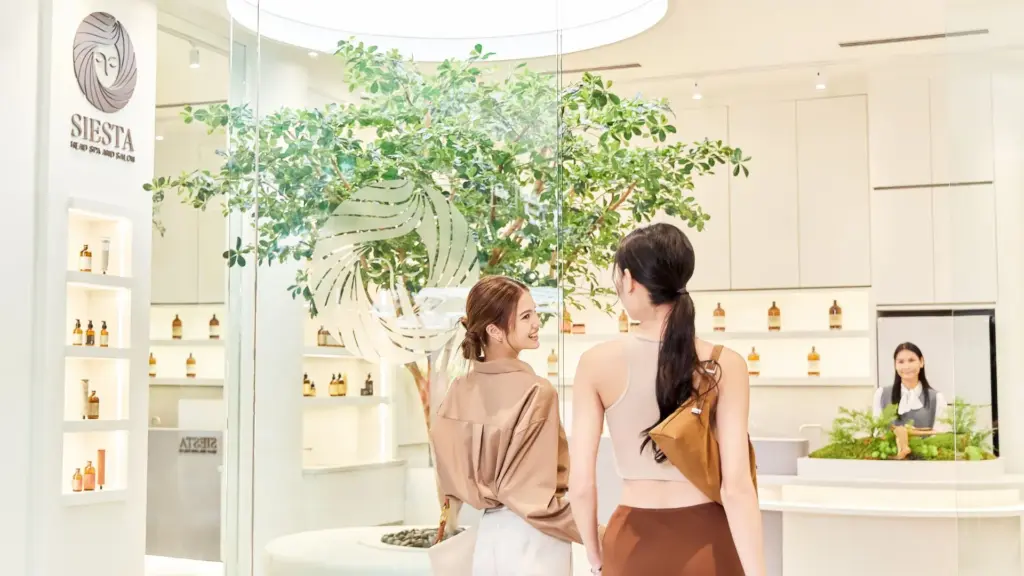
If you are considering a head spa in Phrom Phong, choose a provider that values consultation, hygiene, comfort, and honest communication. Siesta’s Aroma Oil Tranquility Programme offers a way to set aside time for attentive care and relaxation, with warm aromatic oil, massage, and a herbal compress as part of the experience.
References
- The effect of a scalp massage on stress hormone, blood pressure, and heart rate of healthy female — PubMed
- Effects of Aromatherapy on Sleep Quality: A Systematic Review and Meta-Analysis — PubMed
Siesta Head Spa and Salon
The First Authentic Thai Head Spa
Branches and Opening Hours
Open daily: 10:00 AM–8:00 PM
📍 Siesta Head Spa – Emsphere Branch
📞 Call / WhatsApp: +66-88-681-0791
📍 Siesta Head Spa – Gaysorn Amarin Branch
📞 Call / WhatsApp: +66-88-992-2977
📱 LINE: @Siesta
📸 Instagram: @Siesta.Headspa
🌐 Website: siestaheadspa.com